
Dental Implants Melrose
Restoring
Smiles from Root to Crown
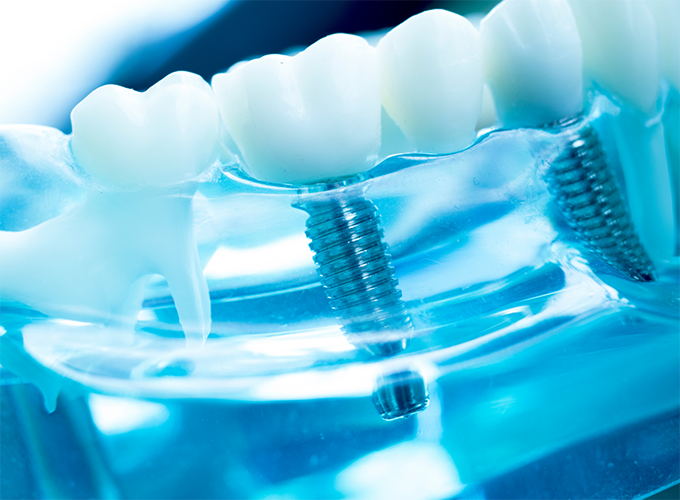
The American College of Prosthodontists estimates that around 40 million Americans are missing all of their teeth, while 178 million are missing at least one. Over the years, patients looked towards traditional tooth replacement methods like dentures to restore their smiles, only to be disappointed in their lack of stability and functionality. Today, more patients are opting for leading-edge dental implants in Melrose to rebuild the entire structure of missing teeth, including the roots! The results are more lifelike, comfortable, and longer lasting. Learn whether you’re a good candidate for this modern answer to tooth loss by scheduling a consultation today.
Why Choose Melrose Dental Group for Dental Implants?
- Award-Winning Dental Practice in Melrose
- Implant Dentist with 25+ Years of Experience
- Partnered with Local Ceramic Artisan, Yuki Momma, RDT
What are Dental Implants?
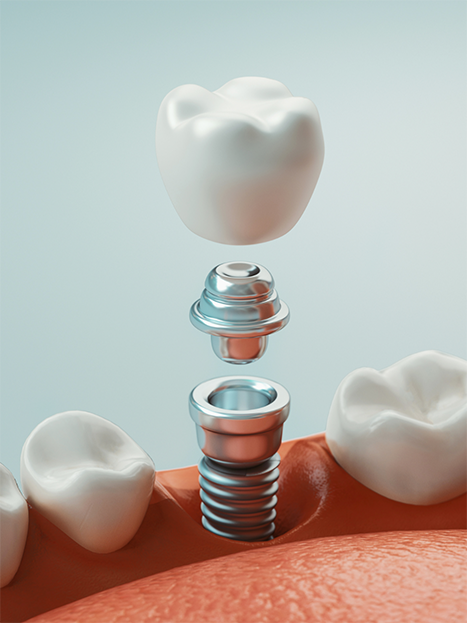
Dental implants are small posts that are made from a number of biocompatible materials, such as titanium. This allows them to fuse with the jawbone once they’re surgically placed below the gumline and into the bone, restoring the missing root structure of teeth and providing a strong foundation for replacement teeth to be attached to.
The 4-Step Dental Implant Process
Dental implants are more complex than other tooth replacements, so their treatment process spans several months and multiple phases. Still, the posts are ultimately worth this time and effort! At Melrose Dental Group, we partner with leading experts for dental implant placement. Your restorations will be crafted with immense care and precision by our in-house prosthodontist and world-renowned ceramic artisan, Yuki Momma, RDT.
Initial Dental Implant Consultation
For the initial consultation, you’ll have a one-on-one discussion with Dr. Leno. This session lets him confirm your restoration goals, oral health background, and other key factors. After reviewing such details, he’ll determine whether dental implants suit you and how to tailor your final treatment.
You needn’t panic if you don’t initially qualify for dental implants. In reality, you can become a good candidate for them through extra dental work – gum disease therapy, tooth extraction(s), etc. These procedures would strengthen your mouth so that it can properly support implant posts.
Dental Implant Surgery
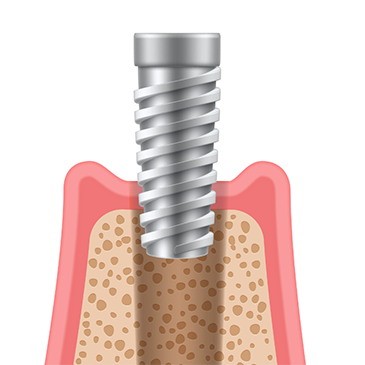
If we approve your care, you’ll receive dental implant surgery after your consultation. This phase of implant work is performed in partnership with a local specialist who does this kind of procedure hundreds of times a month, ensuring the highest level of quality when it comes to your comfort and success.
Dental implant surgery at our office always includes the following:
- Anesthesia – Your oral surgeon will first numb the treatment site with anesthesia. That way, our team can ensure your placement work won’t hurt; you’ll only feel a slight pressure at most.
- A Minor Incision – After the anesthesia “kicks in,” they’ll make an incision in your gums. This new opening makes room for your final implant post.
- Implant Placement – Your surgeon will place your implant post precisely with advanced tools and methods.
- Gum Closure – They will close the incision once the placement is done. Afterward, a cap is set over your new post.
Dental Implant Osseointegration & Abutment
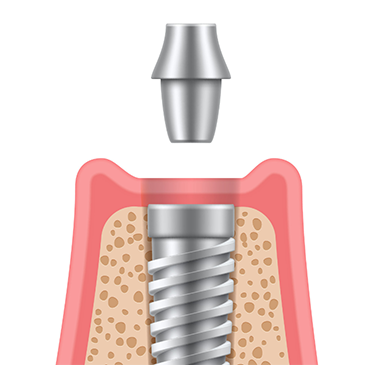
Your dental implant(s) will start fusing with your jaw soon after placement surgery. This fusion process normally takes 4-6 months to finish, and it firmly roots your implant posts. It’ll ensure your new “teeth” become permanent parts of your mouth when it’s over.
After the implant fusion ends, you’ll attend a follow-up surgery. This “extra” treatment places an abutment – a metal connector – on your implant post. While you recover from the abutment work, a dental lab will craft your final restorations.
Delivery of Dental Implant Restoration(s)
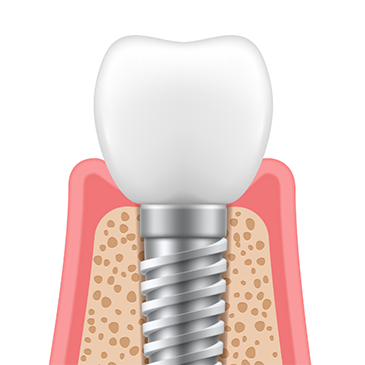
We’ll deliver your implant’s final restoration at the end of treatment. Depending on how many teeth you’ve lost, this prosthetic will vary in its nature. It could be anything from a single dental crown or bridge to an entire implant denture.
Fitting your final restoration won’t take long. After we’ve applied dental cement to your abutment, we’ll simply set the device(s), make some last-minute changes, and ensure your post fits well. With all that out of the way, you can head out and enjoy your full smile!
Benefits of Dental Implants

More than 500,000 dental implants are placed every year, so these amazing restorations are quickly becoming one of the most popular ways to replace lost teeth. Because of the specialized process through which they are surgically inserted into the jawbone, implants can deliver a wide range of incredible benefits that traditional bridges and dentures cannot match. Here’s a brief guide to how dental implants from Melrose Dental Group can enhance your health, confidence, and quality of life.
Day-to-Day Benefits

Dental implants allow patients to enjoy several benefits that they may notice in their daily life, such as:
- Giving patients the power to eat anything they can with real teeth so they can enjoy a more nutritious diet. Steak, raw fruits and veggies, and crunchy nuts and seeds will be back on the menu!
- Easy hygiene requirements mean that patients can forgo the elaborate and time-consuming nightly cleaning rituals required by traditional dentures and bridges.
- Lifelike restorations ensure that casual observers will be unable to tell that any of your teeth are artificial.
- A secure hold in the mouth prevents embarrassing situations such as the restoration slipping out of place during meals or conversations.
- Helping patients feel confident enough to proudly show off their smiles.
Health Benefits

Dental implants can also make it easier for patients to maintain robust oral and overall health in ways like:
- Giving patients the chewing force they need to enjoy the diverse diet of nutritious foods the body needs to stay healthy and strong.
- Promoting smooth and comfortable digestion by making chewing easy.
- Holding their place firmly in the mouth to prevent the restoration from sliding about on the gums, which can lead to soft tissue irritation and enamel damage.
- Being simple to clean makes it easier for patients to avoid destructive oral infections.
- Providing the jawbone with the exercise it needs to stay healthy and strong so the patient can maintain a youthful profile.
Long-Term Benefits

Dental implants can also benefit the patient’s career and pocketbook in the long run. A few notable long-term benefits include:
- Making it easier to leave a positive first impression, which can open all sorts of professional and social opportunities. Implants may even help the patient stand out from the competition when being considered for a new job or a promotion.
- A 95% success rate even ten years after placement makes dental implants a sound investment in your appearance and your oral and overall health.
- Preserving the health of the jawbone so restorations can last for many years or even decades. This can save the patient from spending thousands of dollars on replacement bridges or dentures.
Who Dental
Implants Can Help

Your dental implant journey will depend on a couple of factors, which Dr. Leno will go over with you during your consultation. These include how many teeth you’re missing and their location. Based on these details, our team will help determine which pathway below will work best for your unique situation. The good news is that most patients without a full set of teeth are good candidates for dental implants in Melrose.
Who is a Good Candidate for Dental Implants?
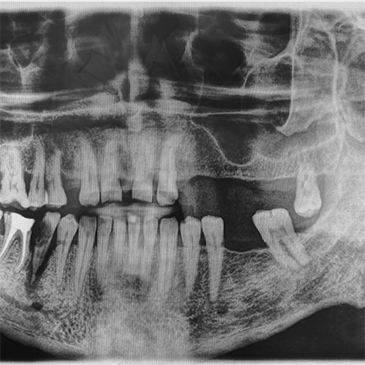
Before dental implant surgery can proceed, Dr. Leno must examine you to determine your oral and overall health. While you may be eligible to receive dental implants, you may require preliminary treatment before you begin enjoying life with a newer, more permanent smile.
During your consultation, Dr. Leno will look at the following:
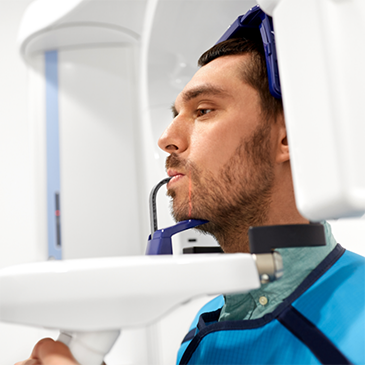
- Your oral health: Do you need preliminary care to improve gum health? Do you need one or more teeth removed because of extensive decay? If gum disease treatment or tooth extraction is necessary, we will incorporate these services into your overall treatment plan.
- Your overall health: Are you healthy enough to endure oral surgery? Although it is a fairly straightforward process, you must be in good general health.
- Jawbone density: Having a dense jawbone is necessary if your dental implants are to avoid failure. A bone graft can be performed if you lack the essential support.
Missing One Tooth
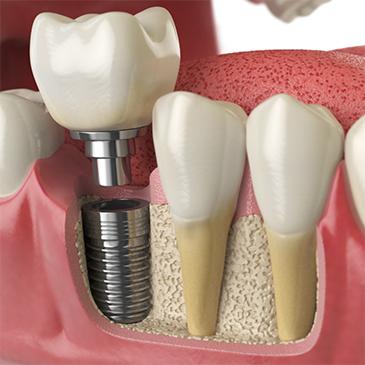
For a single missing tooth, you’ll need one dental implant in the jawbone below the gumline. Once the implant has fused with the bone and the abutment has been attached, we will secure a free-standing dental crown to the implant to fill the gap in your smile and keep surrounding teeth in alignment.
Missing Multiple Teeth
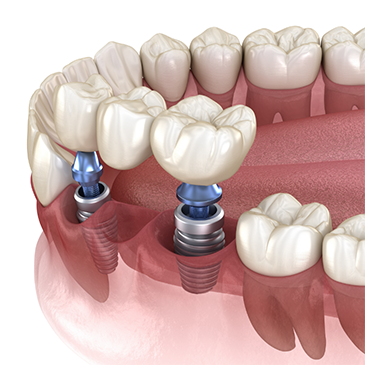
Depending on the location of your multiple missing teeth, we may recommend securing a dental bridge between two dental implants or using a combination of implant bridges and implant crowns to restore your smile. This allows you to keep your natural teeth intact instead of altering them to support a traditional fixed bridge.
Missing All Teeth
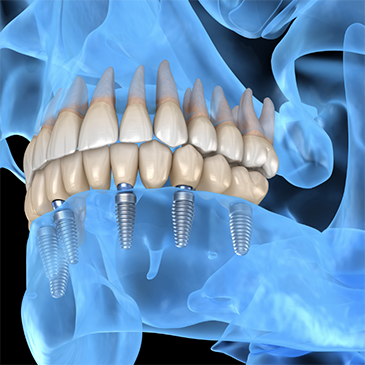
With as few as four implants, we can restore an entire row of teeth. And with the All-on-X procedure, it’s often possible to extract failing teeth, place implants, and cover them with a temporary denture in a single streamlined appointment.
Understanding the Cost of Dental Implants

Dental implants are an investment in your long-term health, confidence, and quality of life. While they do cost more up front than other tooth replacement options, they’re designed to last decades, often a lifetime!
At Melrose Dental Group, we customize every implant treatment to the patient receiving it, so costs can vary based on your unique needs. Before starting, we’ll provide a clear cost estimate and explore ways to make treatment affordable.
Continue reading below to learn more about what influences the cost of dental implants in Melrose and see how we can help you make them more affordable.
Preliminary Treatments & Dental Implant Surgery
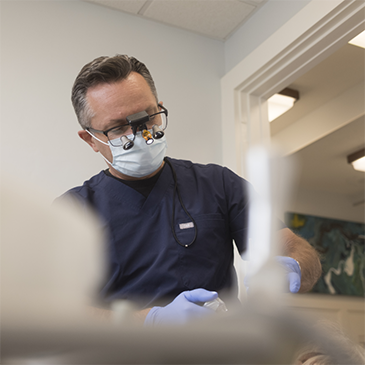
Your mouth needs to be free of issues like infection and gum disease to be ready for implant surgery. The bone that will support the new teeth must be dense and strong enough as well. Addressing these issues before getting implants incurs separate costs, but they dramatically increase the chances of successful placement.
The Parts of Your Dental Implant
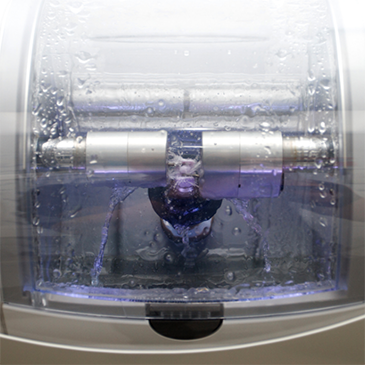
Every dental implant includes three main parts:
- The implant post – A small titanium screw placed in the jawbone.
- The abutment – Connects the implant to your restoration.
- The crown, bridge, or denture – Custom-made to match your smile.
Each component carries its own cost, which can change based on the material used and the brand, almost like a car or a pair of designer shoes. No matter the make or model, our team ensures that your restoration is built to last.
How Dental Implants Can Save You Money
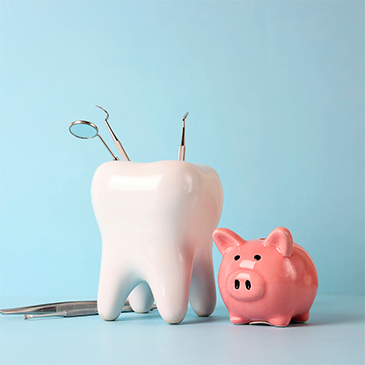
While dental implants may have a higher upfront cost, they often save you money over time. Unlike bridges or dentures, implants are designed to last for decades without frequent repairs or replacements. They also don’t require special cleaning tools or adhesives— just regular brushing and flossing.
Even more importantly, implants help preserve your jawbone and prevent neighboring teeth from shifting, which can reduce your risk of future dental problems like misalignment, bone loss, or additional tooth loss.
At our Melrose dental office, we believe in helping patients invest in solutions that offer lasting value, comfort, and confidence. That’s why we often recommend dental implants for those seeking a permanent solution to tooth loss.
Does My Dental Insurance Cover Dental Implants?

Some dental insurance plans offer partial coverage for implants, particularly for related procedures like extractions or restorations. However, for the most part, dental implants are considered an elective procedure, which often means insurance won’t cover them.
If you’re unsure about your coverage or need help navigating your plan, our insurance coordinator will help you comb through your benefits and file claims. We proudly work with both in-network and out-of-network providers to help maximize your coverage and minimize surprises.
Making Dental Implants Affordable

We want your care to be accessible and stress-free. That’s why our Melrose practice offers multiple ways to manage the cost of dental implants:
- Dental membership plan for uninsured patients
- Financing through Lending Point and CareCredit
- Customized treatment plans to fit your budget
If you’re ready to restore your smile, our team will walk you through all your options and help you choose what works best for you.
Advanced
Dental Implant Procedures
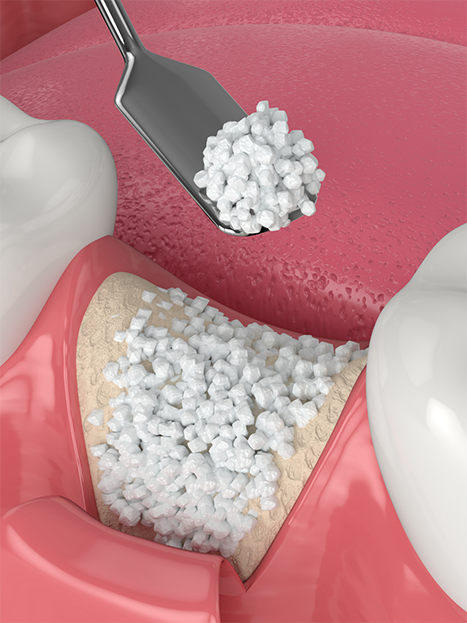
Dental implants are not an option for everyone. For your jawbone to fuse correctly with the implant, you’ll need to have enough bone mass before the procedure. We suggest getting an implant as soon as possible after you’ve lost a permanent tooth. The longer you wait, the more likely your bone will be reabsorbed back into your body. However, even if you have started to lose your natural bone, procedures to augment the bone, including a bone graft or a sinus lift, can be performed before the implants are placed.
Maintaining & Caring for Your Dental Implants

Getting dental implants requires no small investment of effort, time, and finances on the part of the patient, so you’ll undoubtedly want to do what you can to keep your new teeth in excellent condition for as long as possible. Luckily, caring for dental implants doesn’t require much more than a robust, normal oral hygiene routine and a little common sense. Here’s a quick guide to the best ways to keep your implants functional and beautiful from the team at Melrose Dental Group, but please send us a message if you’d like to learn more.
Make Oral Hygiene a Priority

Dental implants cannot develop cavities since they are made from materials like titanium, zirconia, ceramics, and porcelain, but poor oral hygiene will lead to destructive infections of the gums that can lead to early appliance failure. Dental implants require patients to brush, floss, and use antibacterial mouthwash, which is the same routine required by natural teeth. However, it’s important to use non-abrasive toothpaste since traditional varieties can scratch the enamel, and you should take care when flossing your implants to avoid injuring your gum tissue.
Eat a Healthy Diet

Dental implants empower patients to eat whatever they like, but poor dietary decisions can set restorations up for failure. To prevent this, be sure to enjoy a diverse and nutritious diet that provides your oral tissues with the protein, minerals, and vitamins they need to stay healthy and strong. It’s also important to avoid excessive consumption of sugars and acids, as these chemicals can irritate your gums and leave them vulnerable to infection.
Break Bad Habits

Certain bad habits can damage your dental implants or even lead to their loss. Tobacco use and excessive alcohol consumption are not good for your oral health since they compromise the health of the gums and make it harder to fight off infection. Using your smile to open packages or bottles can also damage your teeth, so be sure to use the proper tools when doing this!
Protect Your Dental Implants
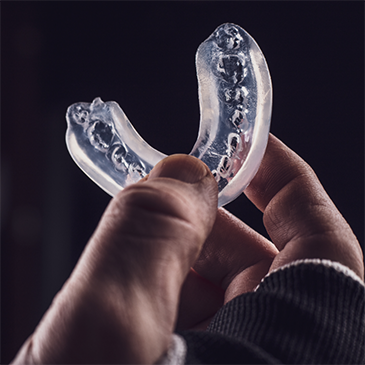
While dental implants are made from incredibly strong materials such as titanium and ceramics, they are not invincible and can be compromised by oral injuries. If you play sports or ride a bike, be sure to wear an athletic mouthguard to reduce your chances of injury due to blows and falls. If you grind your teeth at night, invest in a nightguard to prevent unnecessary enamel wear and jaw strain.
Schedule Regular Dental Checkups
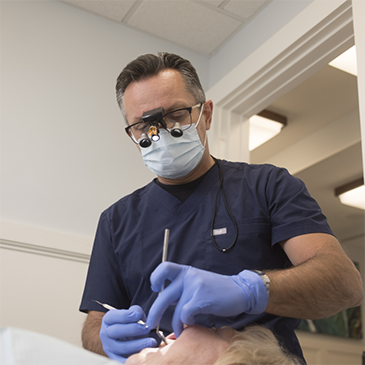
Even if all your teeth have been replaced with dental implants, you’ll still need to visit our office in Melrose for regular exams and cleanings. These visits allow Dr. Leno to monitor your oral health, clean the hard-to-reach areas of your mouth, address issues in their early stages, and advise you on better oral care.
Dental Implants FAQs
Are dental implants safe?
Thankfully, yes – dental implants are safe. These prosthetic teeth won’t harm patients with fairly good oral health, assuming they’re placed by a qualified professional.
Dental implants are only dangerous when you have prior dental issues. For example, low jawbone density and gum disease can make the posts fail and cause other smile troubles. The good news is that dentists can treat such problems through preliminary procedures. In doing so, they’d make your dental implant surgery safer and more successful.
Granted, you’ll need to be careful if you have diabetes, cancer, or other medical conditions. It’s crucial to discuss them with your dentist during your consultation and plan accordingly.
How successful are dental implants?
Dental implants are some of the most successful replacement teeth around. Indeed, their placement almost always goes well and ensures treatment restores your smile. The posts even have a five-year success rate of over 95%!
That said, whether your own dental implants succeed will depend on your lifestyle. These posts only work well when provided with oral hygiene, routine checkups, a healthy diet, etc. If they don’t receive proper care, they’ll fail soon after placement and force you to get new ones.
Am I too young to get dental implants?
Almost any adult with good oral health can receive dental implants. Therefore, whether you’re “too young” for them will depend on your age.
If you aren’t yet a young adult, you likely can’t get the posts. Most people’s jaws don’t fully develop until their early 20s, and such development is crucial for implants. If the posts are placed before the jaw is done growing, they’ll interfere with bone tissue and cause serious complications.
Given these facts, most dentists don’t place dental implants for patients 18 or younger because their jawbone hasn’t stopped developing yet. On the bright side, dental implants have no upper age limit; even elderly adults can get them.
Will I have to take off work for dental implant surgery?
You probably will need to take off work for dental implant surgery. Still, don’t worry too much; most patients only require a day or two to get the posts.
The time off you need will also depend on your situation. After all, patients who need preliminary procedures first must have more days off from work. Someone may also need extra time off to heal from surgery, especially if their job is physically demanding. Such people should probably schedule their surgery on a Thursday or Friday.